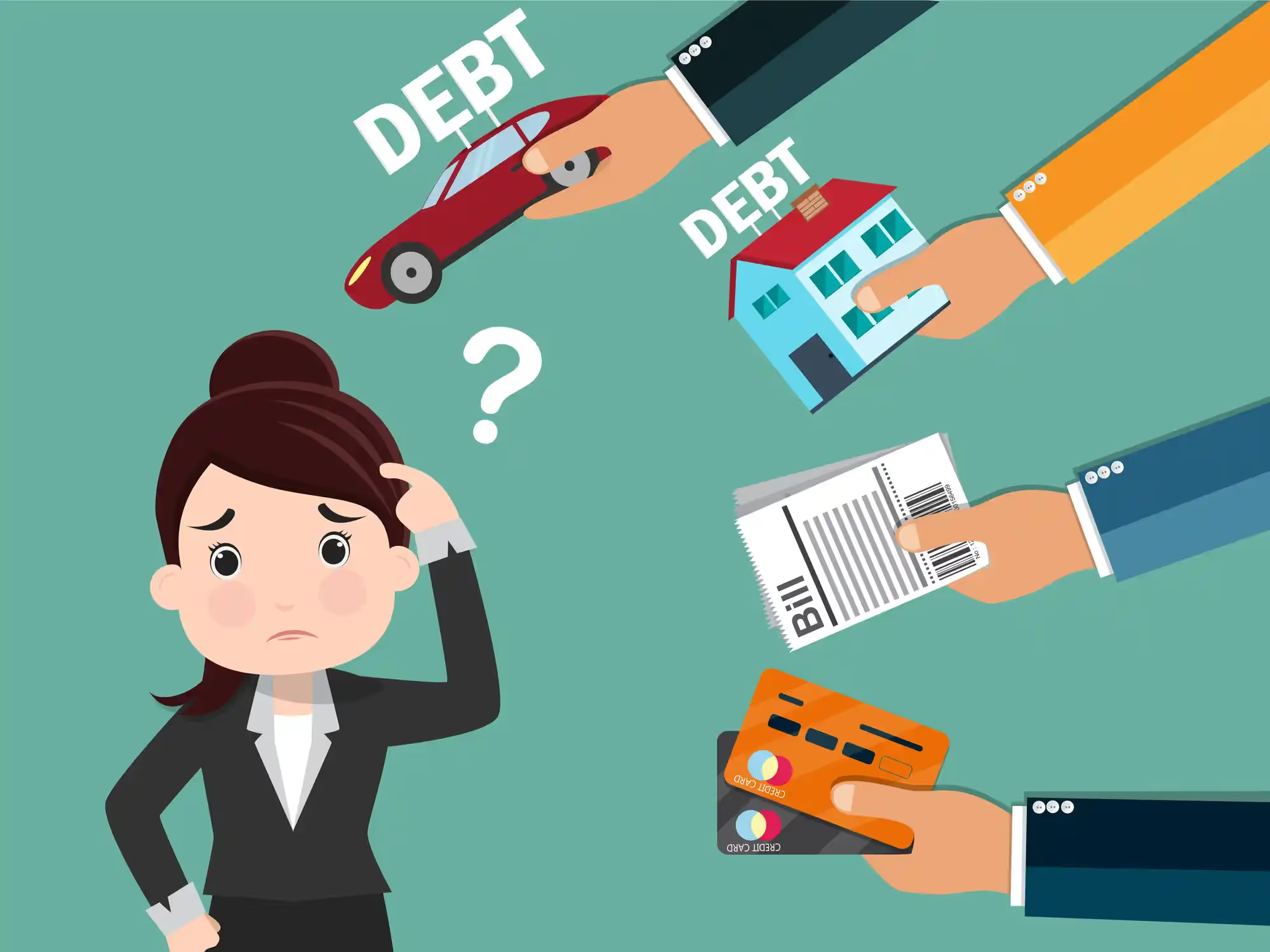
In this episode, we delved into the complexities of debt and explored strategies to manage and reduce it effectively. Melissa and Nate discussed various types of debt, including credit card debt, student loans, and mortgages, and shared actionable advice for tackling them. Here’s a detailed summary of what was covered:
Good vs. Bad Debt
Understanding the distinction between good and bad debt is crucial for effective financial management:
- Good Debt: Includes mortgages that fit your budget, student loans that enhance your earning potential, and business loans that support growth. A Home Equity Loan can also be beneficial if used wisely and aligns with your financial situation.
- Bad Debt: Typically involves debt that depreciates quickly or carries high interest rates, such as credit card debt, payday loans, and car loans where the vehicle’s value drops rapidly.
Managing Credit Card Debt
Credit card debt can be particularly challenging:
- Identify Spending Triggers: Reflect on how you accumulated the debt and recognize any underlying behaviors or patterns. Understanding these can help in addressing the root causes of overspending.
- Develop a Repayment Strategy: Create a plan to pay off your debt, considering options like negotiating with creditors or working with a financial advisor. Aim to pay off the debt systematically while avoiding further accumulation.
Determining Affordable Debt
To manage debt responsibly:
- Evaluate Your Financial Picture: Use the debt-to-income ratio as a starting point to understand what you can afford, but also consider your overall financial situation and future goals. Ensure that debt fits within your budget and doesn’t hinder other financial priorities.
Planning Affordable Vacations
Travel can be a tempting expense, but it’s important to plan carefully:
- Set Savings Goals: Determine how much you need for your trip and set up a savings plan with automatic contributions.
- Track and Budget: Use budgeting tools and apps to monitor your spending and find travel deals. Ensure you have a budget that covers both expected and unexpected costs.
Debt Repayment Methods: Snowball vs. Avalanche
Choosing the right repayment method can impact your progress:
- Debt Snowball: Focuses on paying off debts from smallest to largest balance, which can boost motivation through quick wins.
- Debt Avalanche: Targets debts from highest to lowest interest rate, reducing the overall cost of borrowing. This method is recommended if you can stay disciplined.
Balancing Debt Repayment with Long-Term Savings
Maintaining a balance between paying off debt and saving for future goals:
- Prioritize Debt Repayment: Address high-interest debt first and make consistent payments. However, it’s also essential to start saving for long-term goals, even if it's a small amount.
- Build an Emergency Fund: Before focusing on retirement or home purchases, ensure you have a safety net for unexpected expenses.