Why are payment apps tracking my transactions?
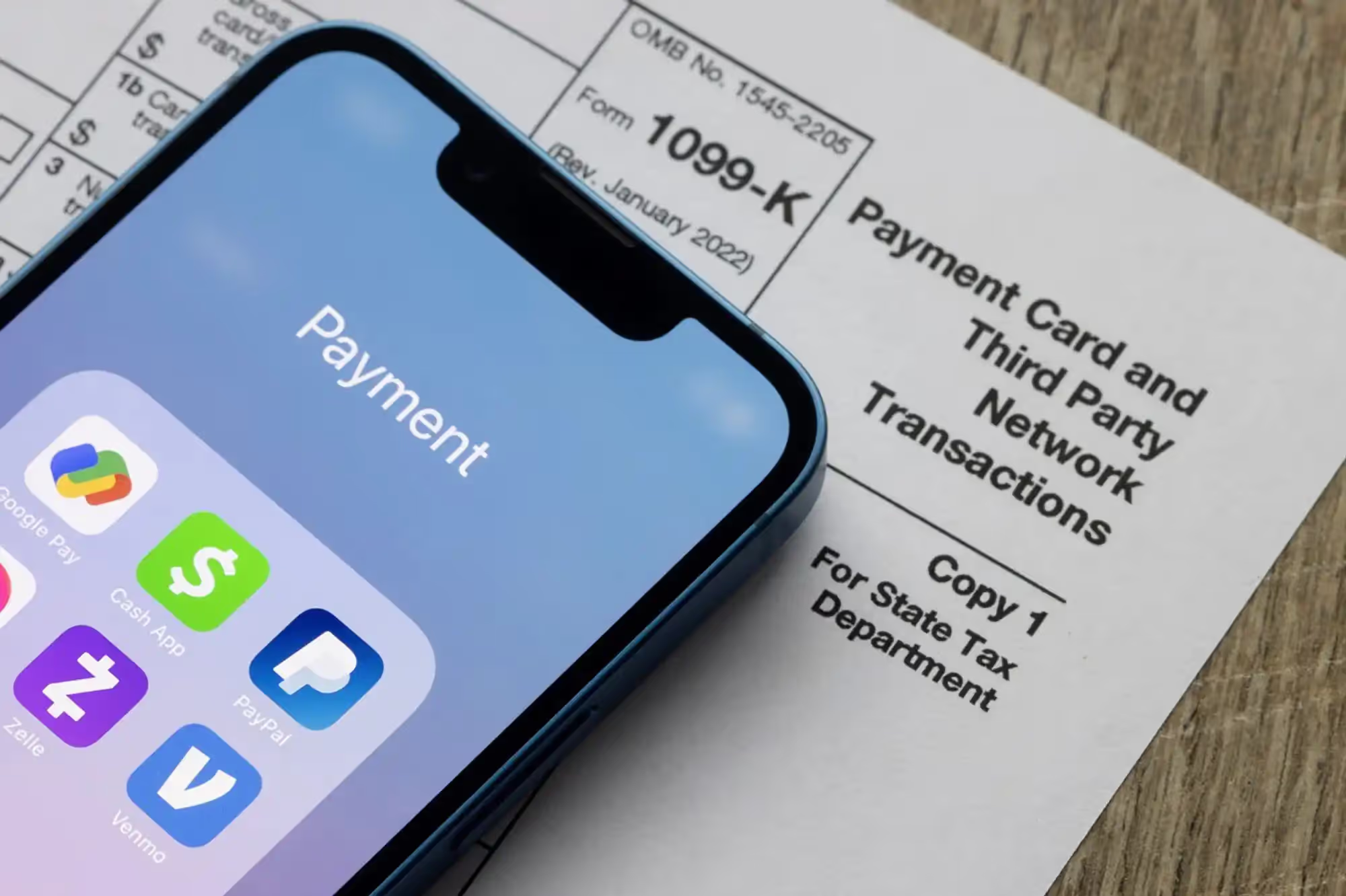
The IRS has made a new income tax reporting rule, beginning this year. Because many entrepreneurs and side hustlers now use Venmo or other third-party payment apps for their transactions, these apps are now required to report transactions for goods and services that are over $600 as taxable income. If you’re not careful in how you label your transactions, you might receive a 1099-k this year.
How can I make sure I don’t get a 1099-k?
Be sure to label any payments you make as something other than a good or service. Because apps like Venmo and PayPal are going to be monitoring transactions now, it’s important that you do this. Some apps also offer the ability to have business profiles or “friends and family” profiles. Using this feature can also prevent a future 1099-k in your mailbox. An exception of this new rule is the payment app Zelle - they do not report transactions on their platform to the IRS.
What do I do if I receive a 1099-k?
If you do receive a 1099-k for something nontaxable, you will have to call the payment app company and ask them to send a correction to the IRS. An example of this would be selling a personal item for over $600 - if your proceeds are less than what you originally paid, they are not taxable. It’s important to hold onto documented proof of nontaxable sale to provide to them in case you receive a 1099-k for it.